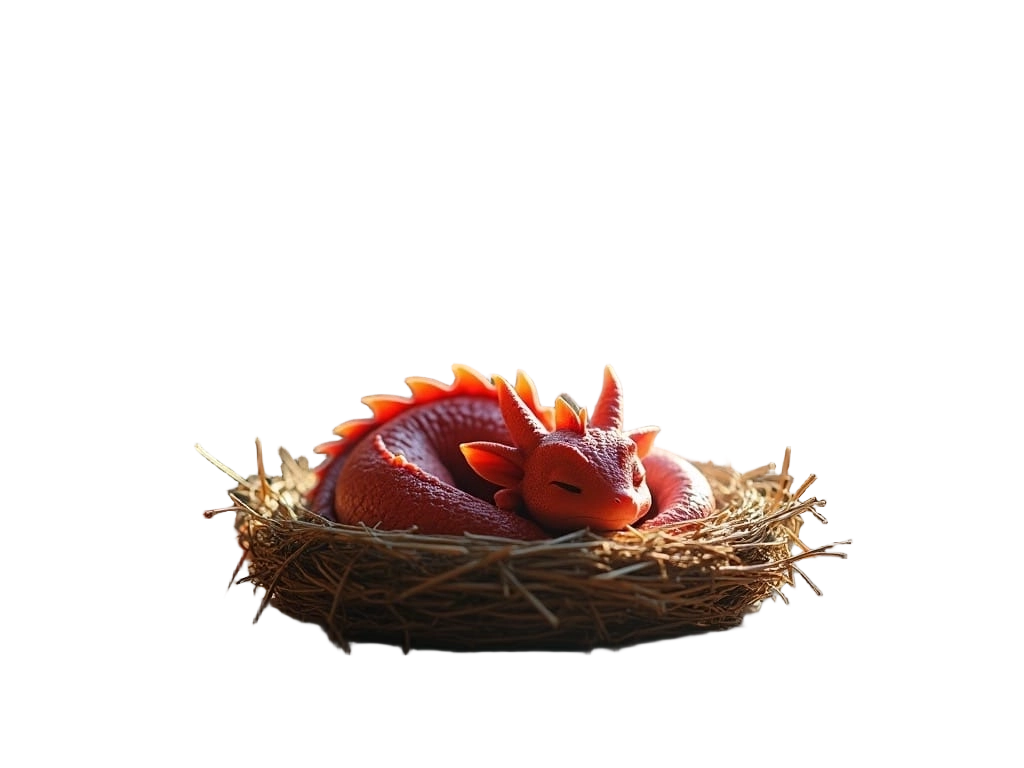
Nano Banana 2 Character Consistency Guide: Keep Faces, Products, and Style Stable Across Edits
A practical workflow for character consistency in AI image generation and editing, including repeated faces, product identity, multi-scene revisions, and why Nano Banana 2 is useful for controlled iteration.
Why Consistency Is a Bigger Problem Than Generation
Many AI tools can generate one impressive image. Fewer can keep the same person, product, or mascot stable across multiple edits.
That gap is why users keep searching for:
- "AI character consistency"
- "keep the same face across AI images"
- "consistent product photos with AI"
- "edit an image without changing the subject"
The problem is not the first draft. The problem is iteration.
What Users Usually Hate
When creators complain about AI image workflows, the same issues appear again and again:
- the face changes between images
- product details drift after every revision
- brand colors move around
- the pose stays, but the identity feels different
- one useful image cannot become a reliable series
For social campaigns, ecommerce, storytelling, and ad production, that instability makes the workflow expensive.
Where Nano Banana 2 Helps
Nano Banana 2 is more useful when you want to preserve subject identity while still changing other parts of the image.
Typical examples:
- keep the same model, change outfit or scene
- keep the same product, change background or lighting
- keep the same mascot, create campaign variants
- keep the same composition, localize for multiple markets
This matters because most teams do not need infinite novelty. They need controlled variation.
Character Consistency Is Also Product Consistency
This is not only for faces or fictional characters.
It also applies to:
- skincare bottles
- food packaging
- fashion items
- app screenshots
- branded props in ads
If the object shape, labels, or proportions drift too much, the image stops being useful for commercial work.
A Practical Workflow
1. Start From a Strong Reference
Use the clearest version of the subject you already have. Consistency gets easier when the base image is stable.
2. Define What Must Stay Fixed
Be explicit about:
- face shape
- hair or silhouette
- logo placement
- product geometry
- color palette
3. Change One Variable at a Time
Do not request ten edits at once. If you need a new background, new copy, and a new outfit, split those changes into steps.
4. Use Approved Outputs as the Next Reference
Once one edit works, use that result as the next controlled input. This reduces drift over time.
5. Build Small Repeatable Prompt Patterns
Teams usually improve faster when they keep a short library of prompts for:
- background replacement
- lighting changes
- seasonal campaign variants
- regional localization
- character or product lock instructions
High-Intent Commercial Use Cases
Ecommerce Catalogs
The product must remain recognizable while the background, season, or promotion changes.
UGC-Style Ads
Brands want the same spokesperson or product hero across multiple ad formats.
Story-Based Content
If a creator is building a series, the lead character must feel like the same person from scene to scene.
Localized Creative
A single approved visual concept can be adapted for US, Europe, Japan, Korea, Southeast Asia, or LATAM without losing identity.
Why This Topic Is Valuable for SEO
Search intent around "character consistency" is usually stronger than generic "AI image generator" traffic. Users searching this term already know the category. They are looking for a tool that solves a frustrating production problem.
That makes it a better fit for:
- blog traffic with real product intent
- internal links to image editing workflows
- prompts and landing pages for repeatable use cases
Final Takeaway
The real value of Nano Banana 2 is not that it can make another random image. It is that it supports controlled iteration: keep the same identity, change what matters, and ship usable visuals faster.
That is the difference between a demo and a workflow.
Author
)
More Posts
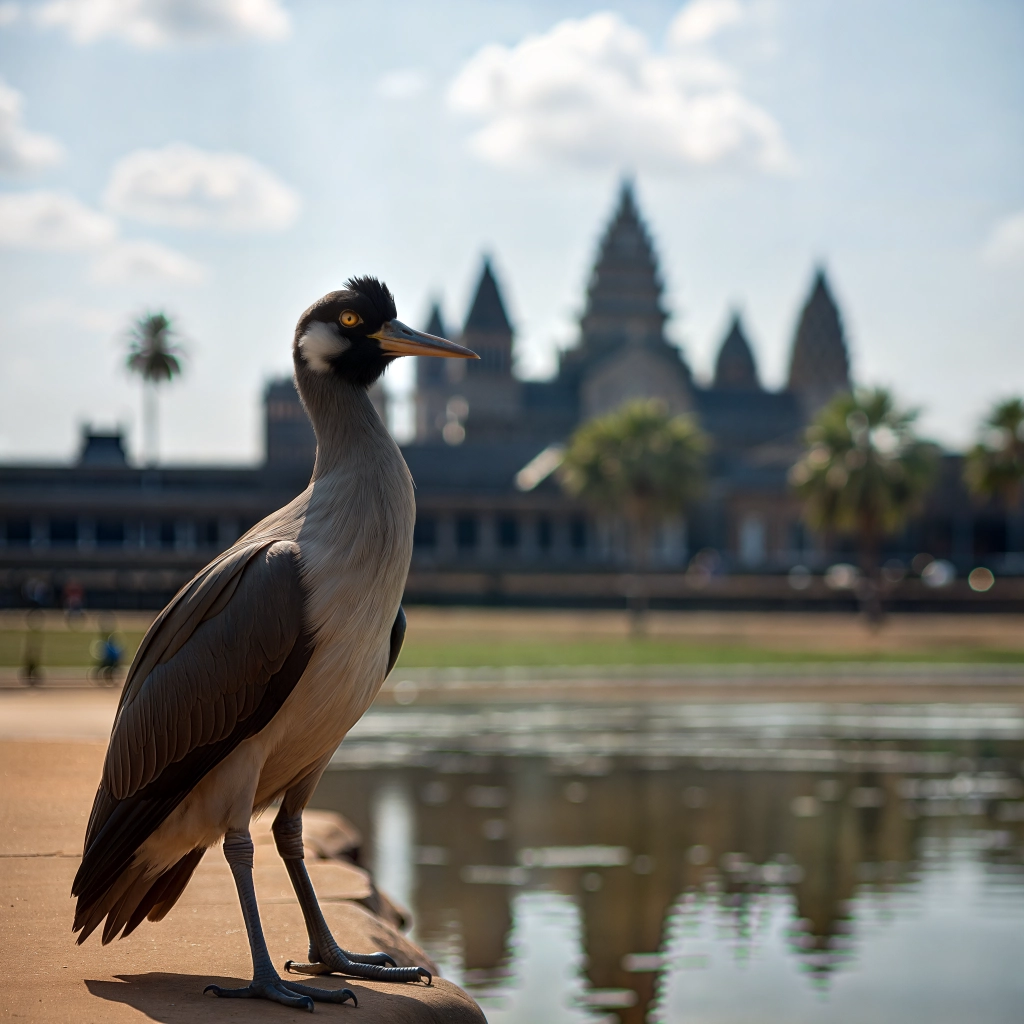
Nano Banana 2 for Global Creators: Editing, Consistency, and GEO Localization
How Nano Banana 2 compares with Flux and other visual models, and why its editing-first workflow fits global creator teams.
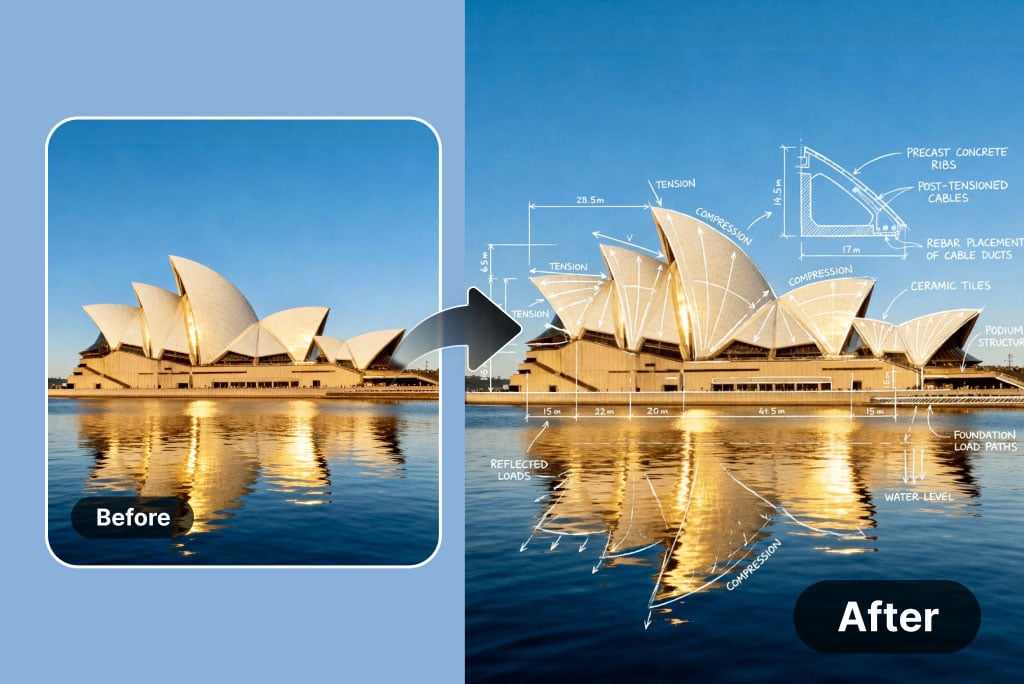 "What Is Nano Banana 2? Features, Use Cases, and How It Works")
What Is Nano Banana 2? Features, Use Cases, and How It Works
Learn what Nano Banana 2 is, what it does well, and how to use prompts, multi-image references, editing, and 4K output in one workflow.
Nano Banana 2 for Localized Ad Creatives: How to Adapt One Campaign Across GEO Markets
A guide to GEO localization for AI image workflows, including multilingual ad creatives, regional design variants, and how Nano Banana 2 helps teams adapt one campaign across markets without rebuilding everything.
Newsletter
Join the community
Subscribe to our newsletter for the latest news and updates